
Research, advocacy, and support for India's most deprived communities.
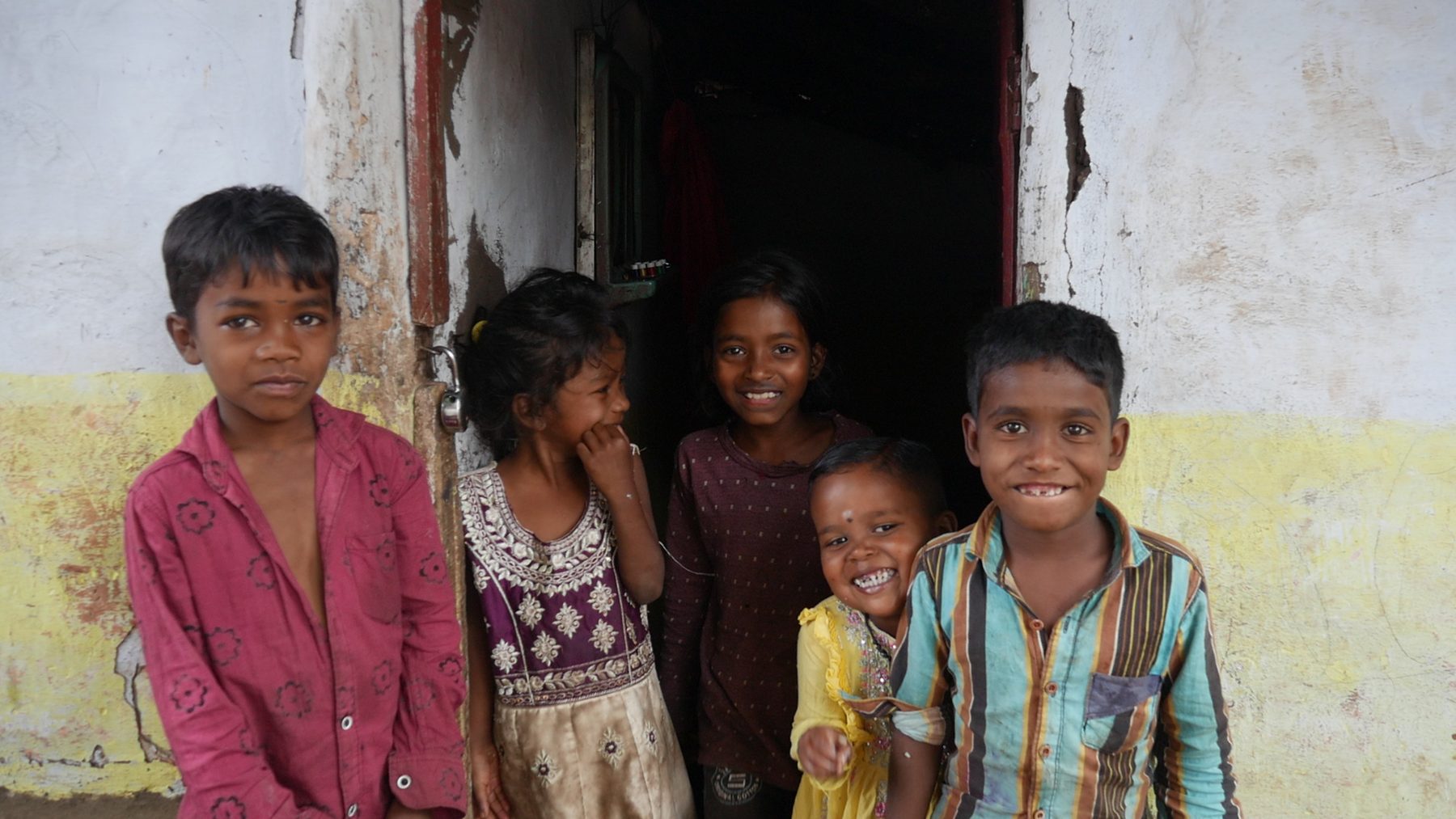
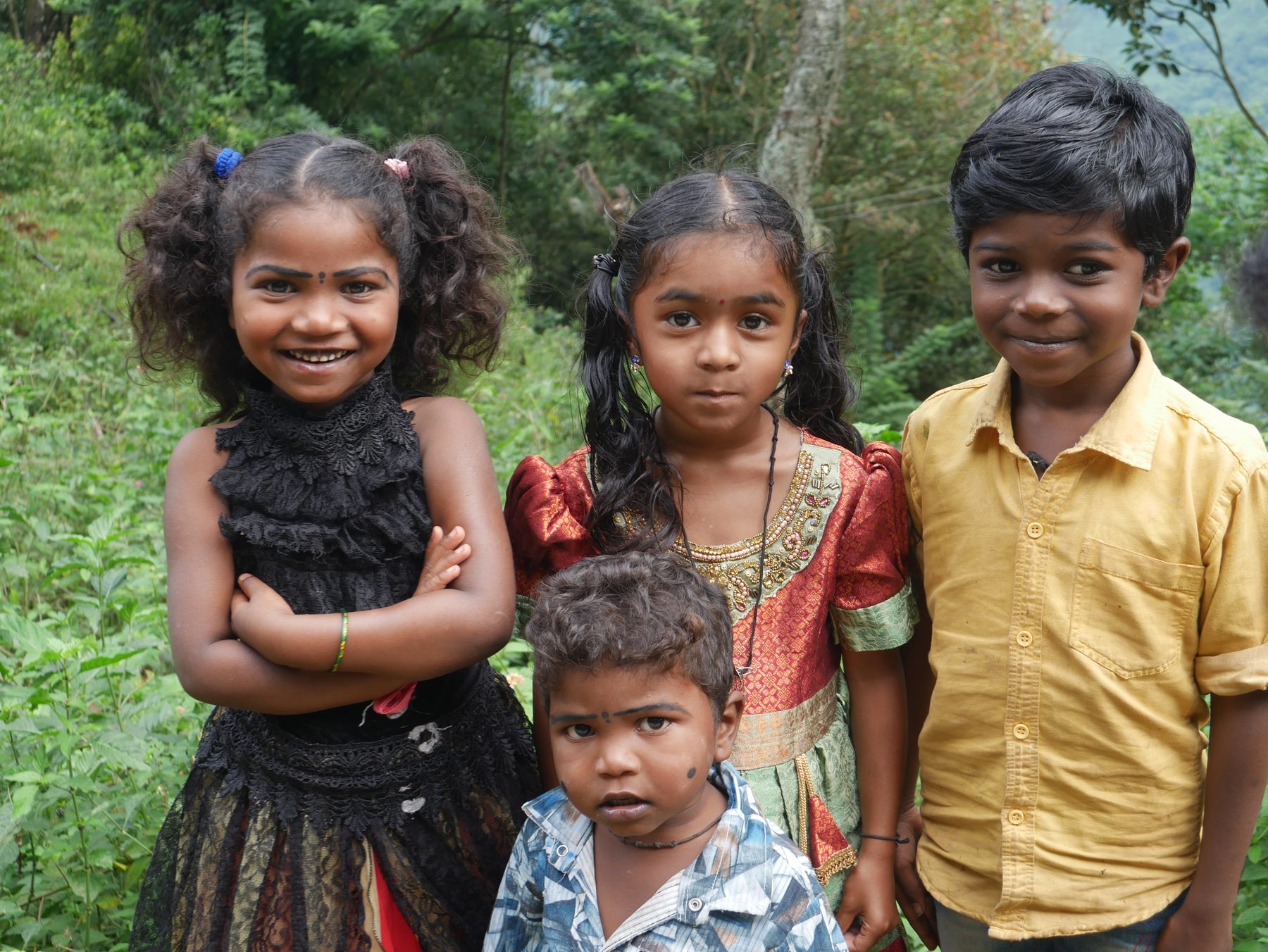
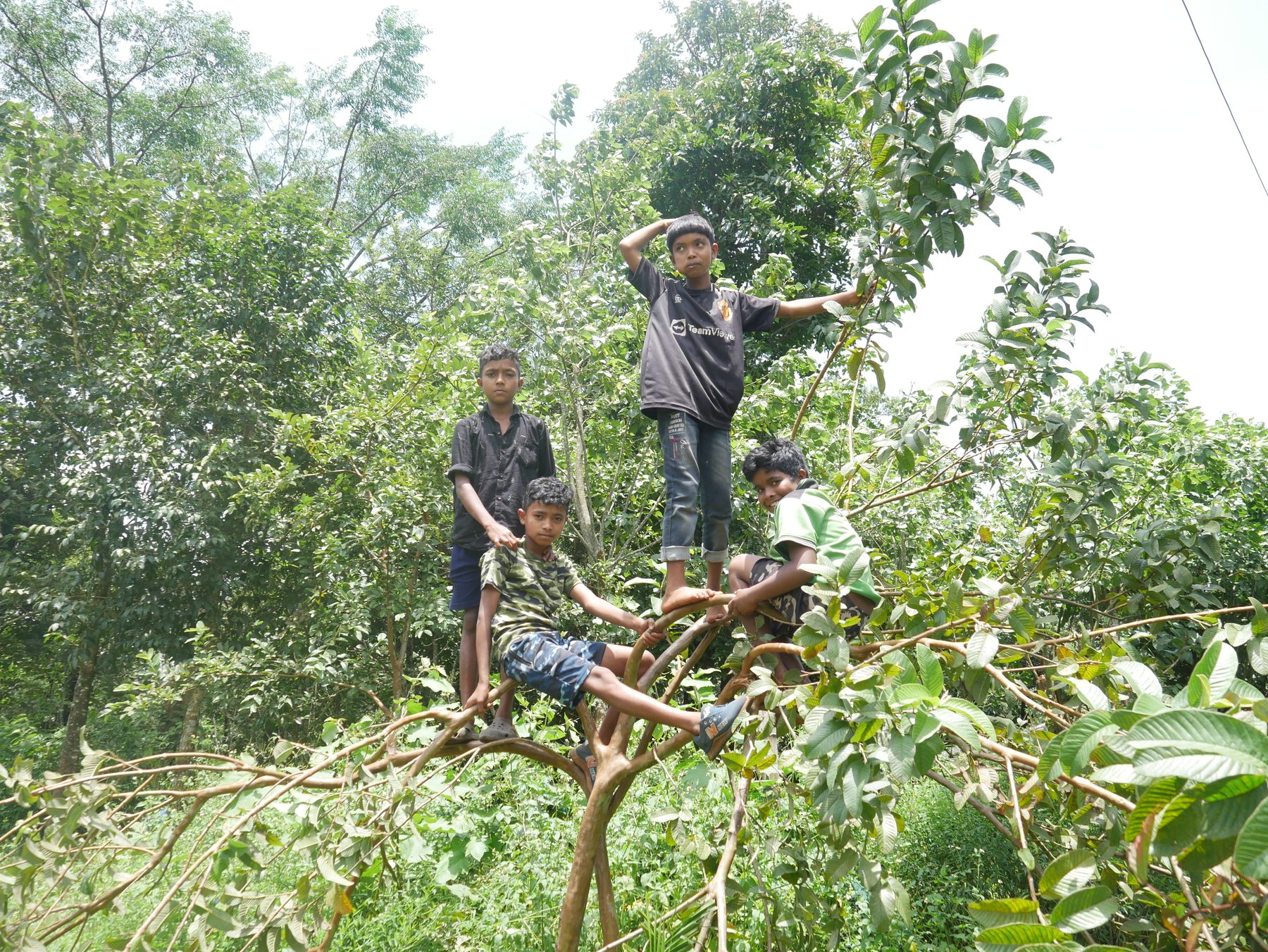
AIDCSC works with scheduled tribes, scheduled castes, minorities, bonded labourers, and marginalised communities across India — through documentation, education, and legal support.
Who we serve
AIDCSC is a registered non-governmental service organisation promoting the welfare of India's disadvantaged and deprived communities — scheduled tribes, scheduled castes, minorities, destitute persons, bonded labourers, transgender individuals, slum dwellers, and downtrodden villages — through research, training, advocacy, and networking.
Our programs
Three areas of ongoing work, built on two decades of field research and community partnership.
Research & Documentation
Visual ethnography, oral history, and academic research on tribal and marginalised communities, published through IJCHSSR and our field archives.
Education & Scholarships
Access to educational opportunity for children and youth from deprived communities, including scholarship guidance and resource support.
Advocacy & Legal Support
Legal aid, training, and networking to help communities secure their rights and navigate government support systems.
From the field
Documentation from communities AIDCSC has worked alongside.
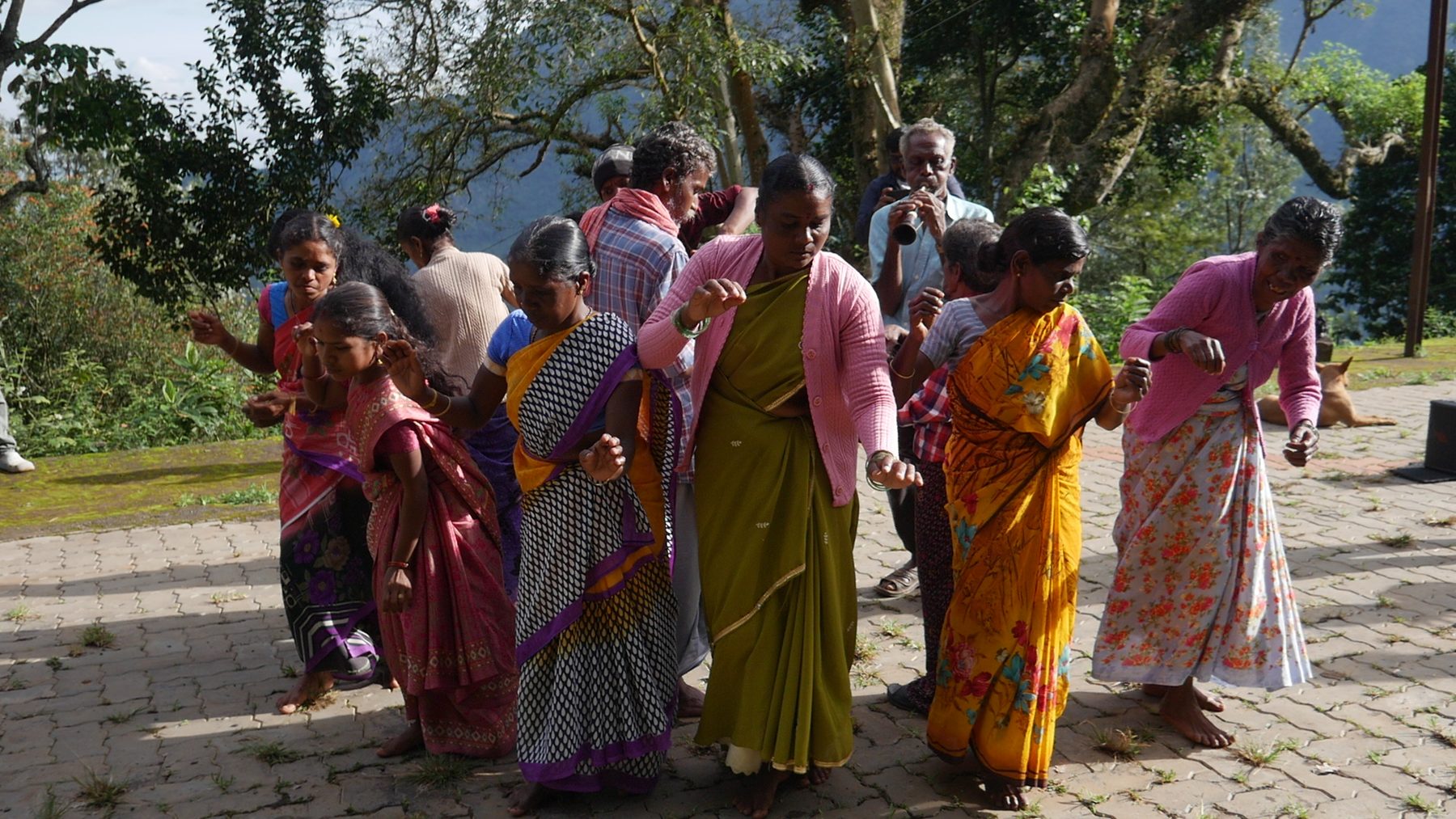
 Paniyas, Kerala
Paniyas: the unknown untouchables
Numerically the largest single tribe in Kerala, and among the least documented.
Read the field note
 Pazhaverkadu
Pazhaverkadu: the untold story
Pulicat's layered history — Portuguese, Dutch, Chola, Vijayanagar, Arab, and British.
IJCHSSR
Our peer-reviewed journal publishing research on culture, humanities, and social sciences relevant to deprived and marginalised communities.
Visit the journalBooks
Books and monographs authored and supported by AIDCSC on community history, heritage, and documentation.
Browse booksGet involved
Partner
Institutions and researchers can collaborate with AIDCSC on documentation and advocacy.
Propose a partnership